

Festival Reviews
Top Picks From The Sydney Film Festival 2019 (Days 1-7)
Here are my favourites at the Sydney Film Festival so far. Watch out for them when they get a mainstream release.
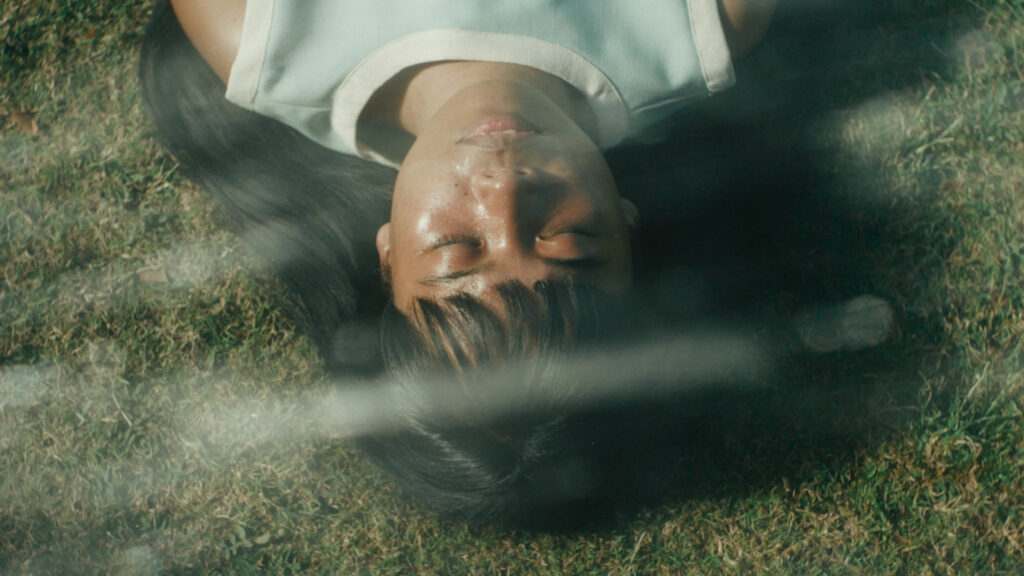
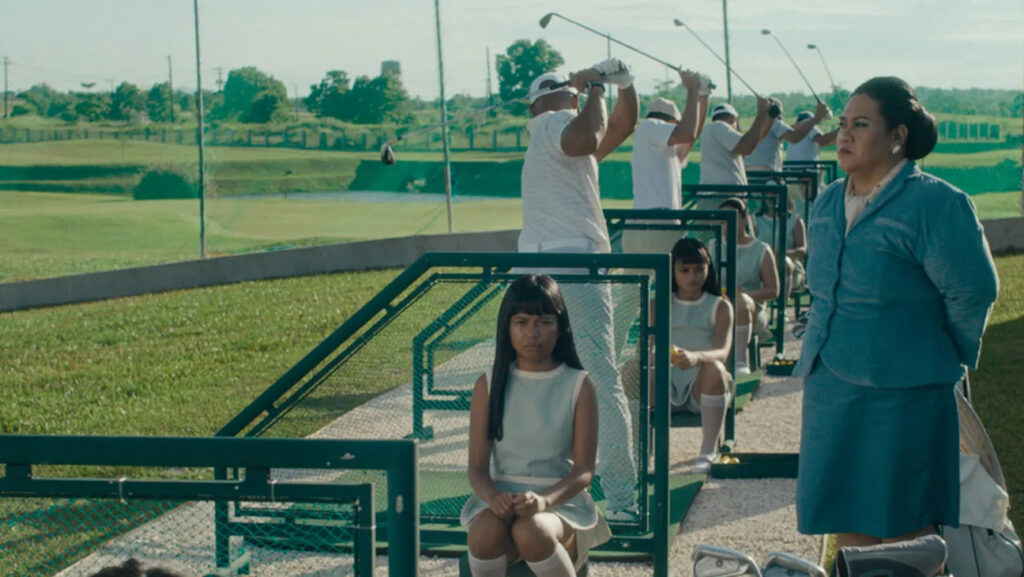
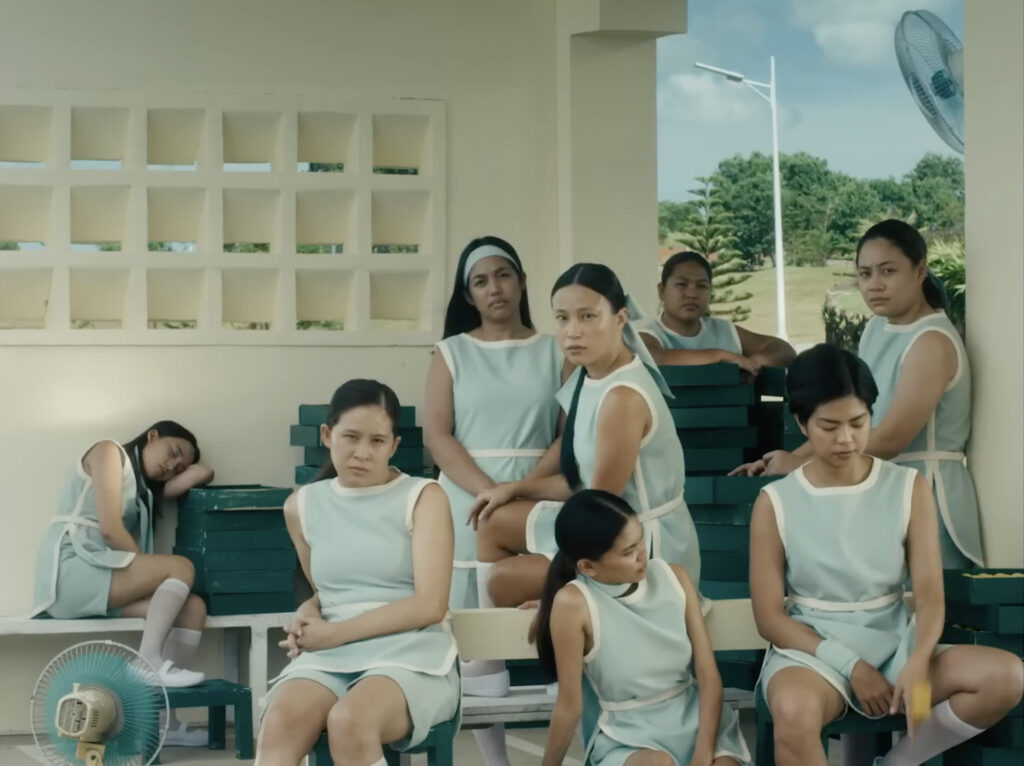
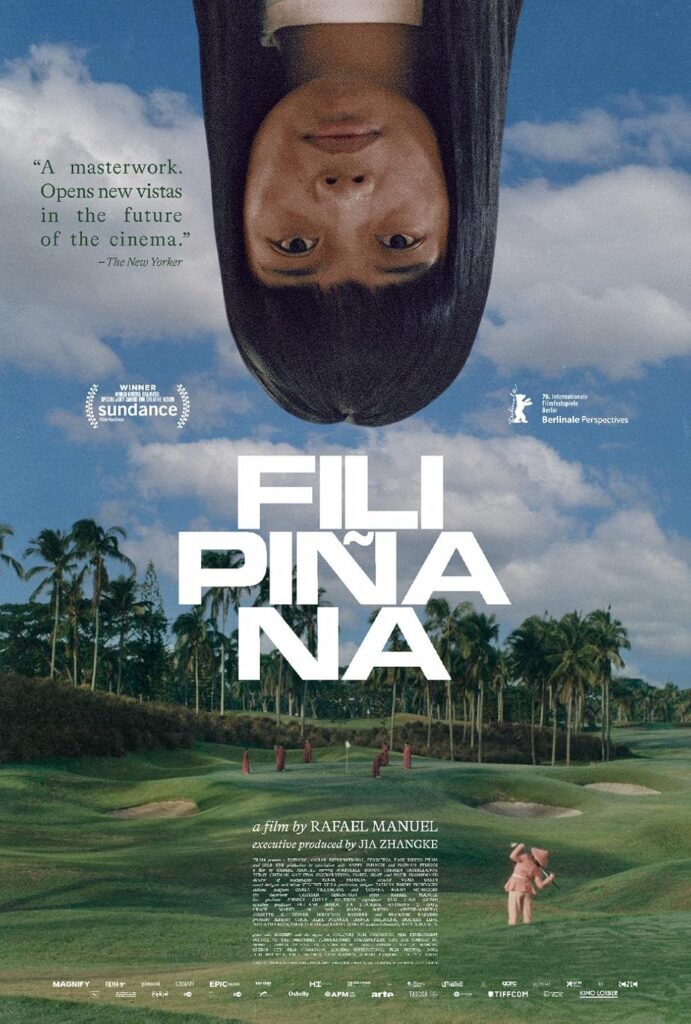
Rafael Manuel’s FILIPIÑANA opens as though Philippine society has been sealed inside the manicured borders of a golf course. The grass is trimmed, the staff are uniformed, the rituals are rehearsed, and yet everything under the surface feels rotten, ritualised and waiting to erupt. It is a film of surfaces — green lawns, white uniforms, polished club manners, sunlit leisure — but its real subject is how those surfaces disguise class power.
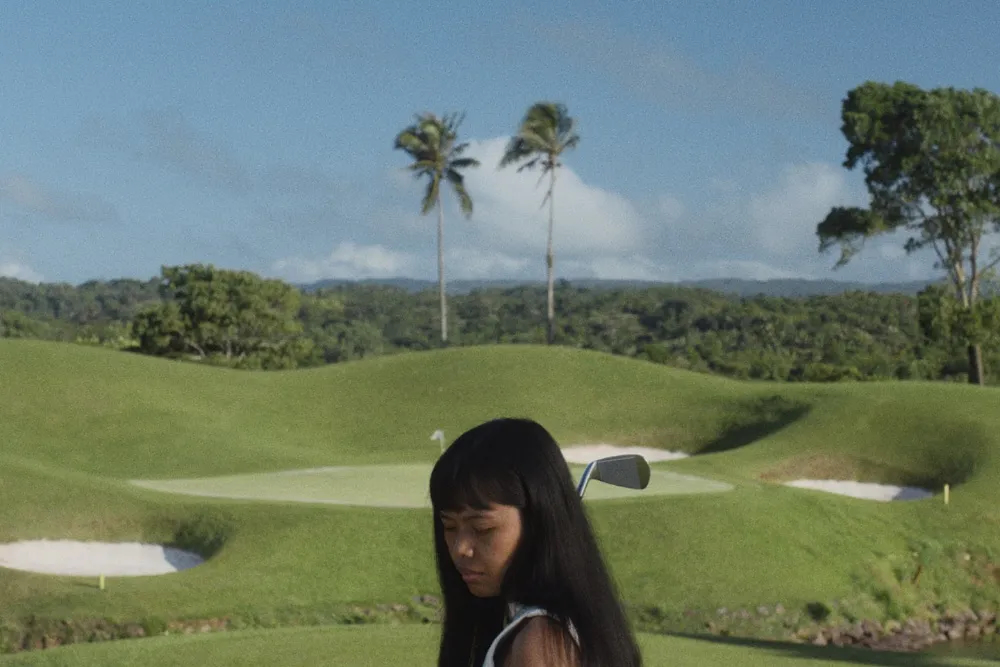
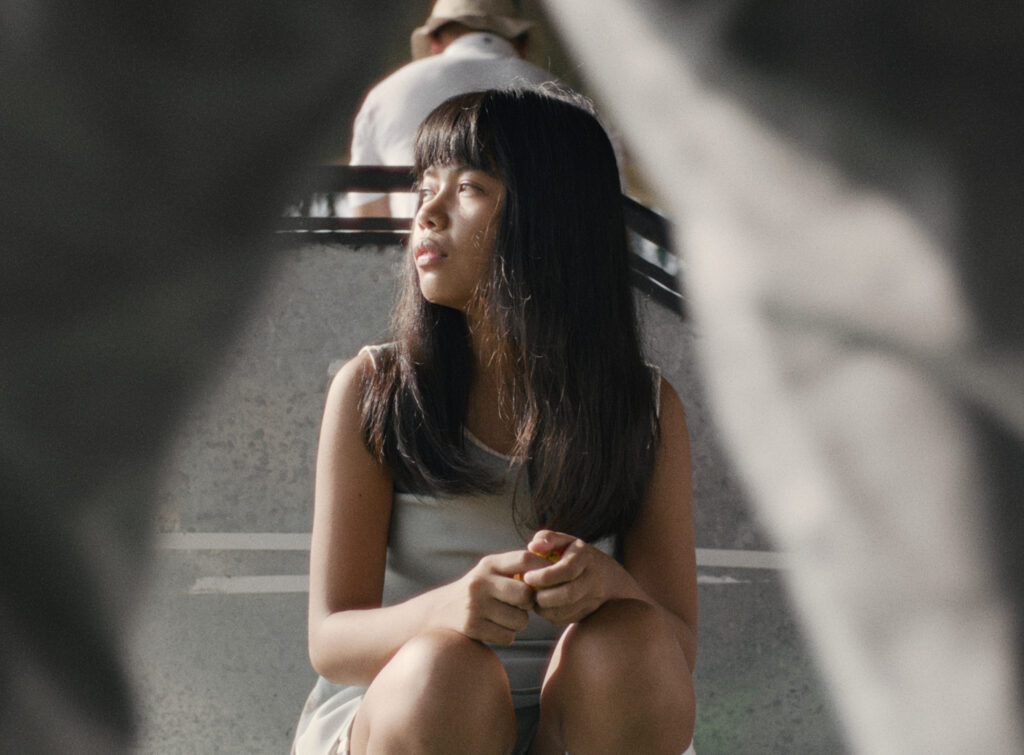
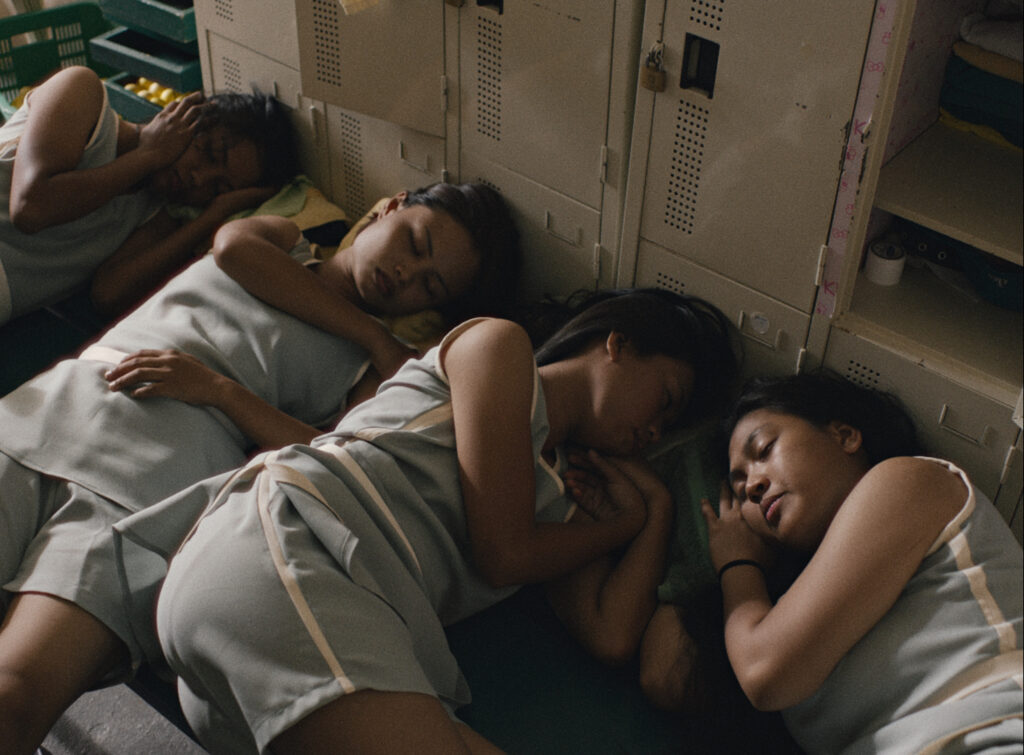
Set in an elite country club outside Manila, the film follows Isabel, a 17-year-old “tee girl” from rural Ilocos, played with remarkable stillness by Jorrybell Agoto. Her work is humble, repetitive and quietly humiliating: she prepares golf balls for wealthy patrons whose leisure depends on an entire underclass of workers they barely acknowledge. Isabel’s world gradually narrows around Dr Palanca, the eccentric club president played by Teroy Guzman, whose presence turns fascination into something stranger, darker and more ominous.
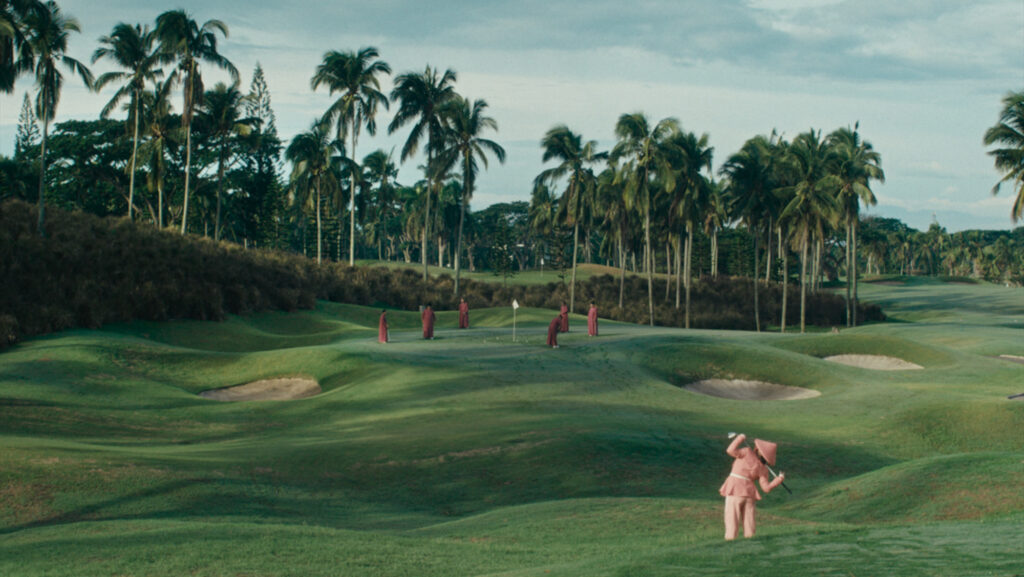
What makes FILIPIÑANA immediately arresting is not the plot but the mise-en-scène. Manuel understands the golf course as a social diagram: a setting of privilege in which every movement has been assigned, every body placed, every worker made part of an aesthetic order they do not control. The film’s best images have the quality of reimagined Filipino landscape art — wide, formal, choreographed, slightly unreal — as if the country’s long history of inequality has been compressed into a single luxurious playground.

Here are my favourites at the Sydney Film Festival so far. Watch out for them when they get a mainstream release.

The 30th Sydney Mardi Gras Film Festival from Queer Screen starts 15 February – 2 March 2023, with various LGBTQI+ films on offer.