JESSIE BUCKLEY’S
AWARD-WINNING LA AUNOR ACTING IN HAMNET 

With Oscar night nearly here, a few races still have the delicious instability that makes awards season feel like a sport rather than scripture. Best Actor has been framed as a contest between Timothée Chalamet for MARTY SUPREME and Michael B. Jordan for SINNERS, while the supporting categories still carry their own charge of unpredictable uncertainty, with Amy Madigan’s wonderfully unnerving work in WEAPONS and Sean Penn’s showing in ONE BATTLE AFTER ANOTHER remaining in the conversation. But Best Actress feels different. That race, barring an earthquake, belongs to Jessie Buckley for HAMNET. After sweeping the Golden Globes, Critics' Choice, BAFTAs, and SAG/Actor Awards, Buckley has moved beyond momentum into inevitability.

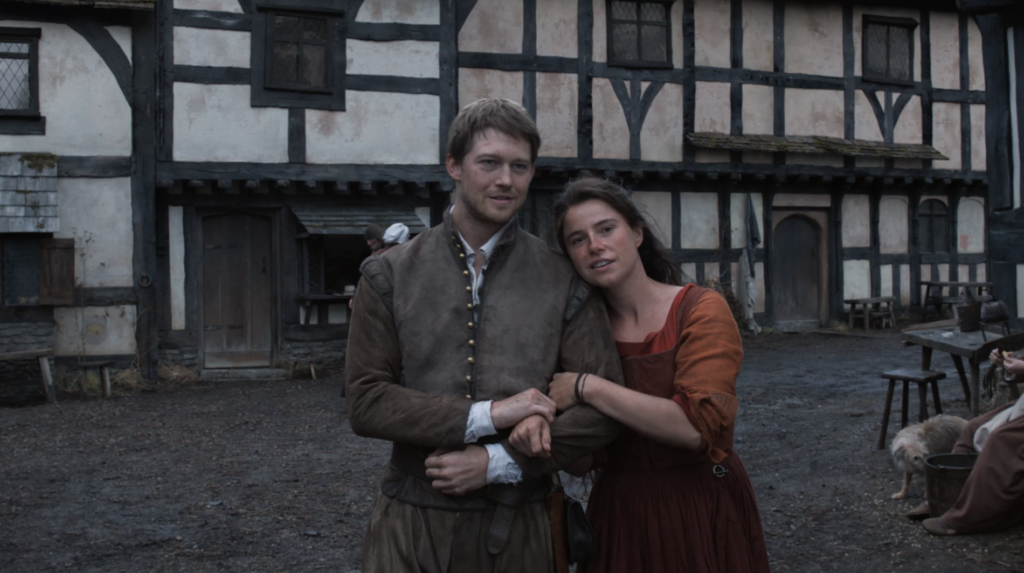
What, exactly, has made Buckley’s performance feel so untouchable this season? In Chloé Zhao’s HAMNET, adapted from Maggie O’Farrell’s novel, Buckley plays Agnes, Shakespeare’s wife — historically Anne Hathaway, here reconceived by O’Farrell’s naming — as a woman of instinct, intuition, and bruised spiritual authority. The film follows the grief that engulfs Agnes and William Shakespeare after the death of their son, Hamnet, whose loss becomes the emotional shadow from which Hamlet will later emerge. Zhao directs the material not as prestige-pageantry but as intimate devastation: a story of motherhood, mourning, plague, memory, and the strange alchemy by which private pain is transfigured into art.
The film’s power lies partly in the cruel irony at its centre. Agnes has given birth to twins, Hamnet first and Judith, who almost died at birth, and when illness enters the home, it first seems to seize Judith, the more fragile of the two. Yet death, as HAMNET understands with almost unbearable calm, is never governed by the tidy logic with which the living try to explain it. The child who appears weaker survives; the other is taken. In that reversal is the whole terror of mortality: life is not arranged according to strength, fairness, or narrative ease. It is contingent, irrational, and pitiless. That is the existential wound the film keeps pressing.
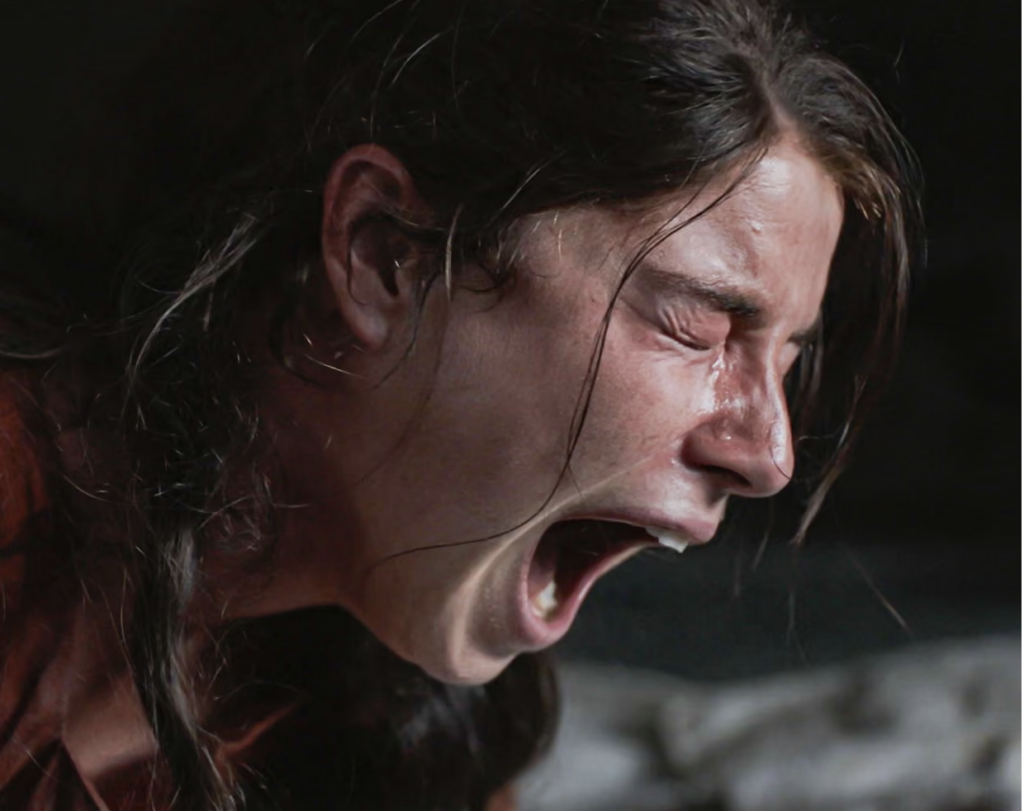
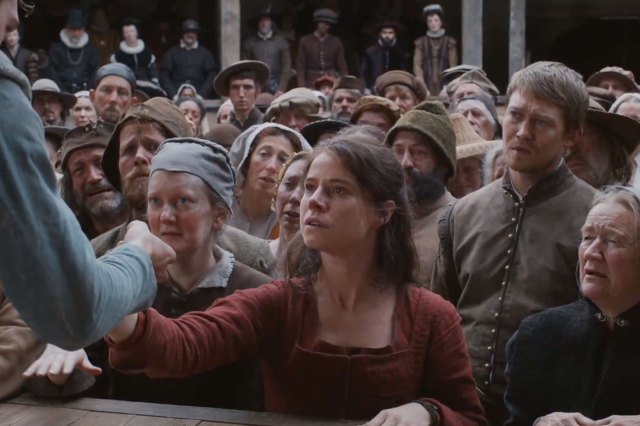
Buckley’s performance is extraordinary because she understands that grief is not simply something spoken; it settles into the muscles, clouds the breath, and alters the eyes. Early in the childbirth sequence, she delivers the film’s first great acting moment. Zhao trusts Buckley’s face the way a great silent-era director might have trusted their greatest actors: pain, terror, rapture, bodily knowledge, and some dim foreknowledge of loss move across her countenance without a syllable needing to explain them. It is acting that does not announce itself as acting. It simply lives there on the screen, raw and inward and true.
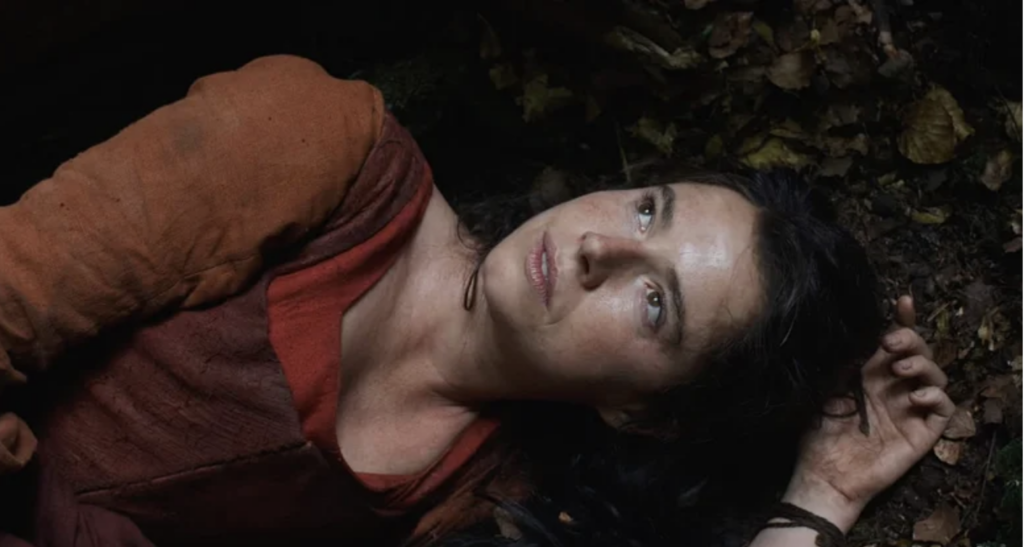
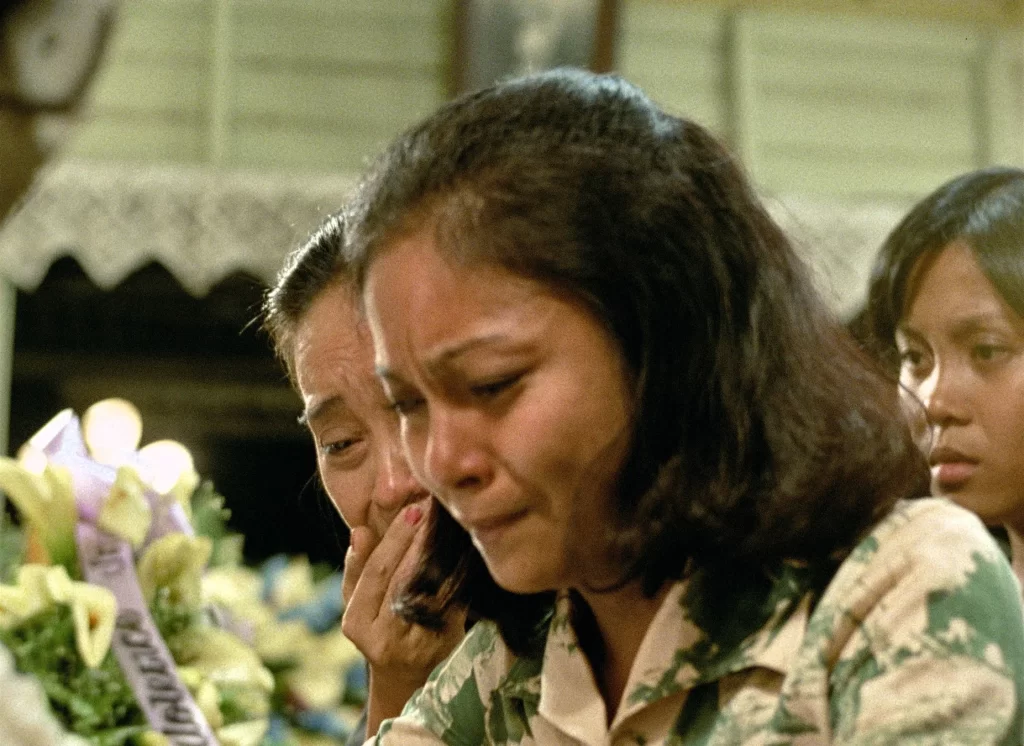
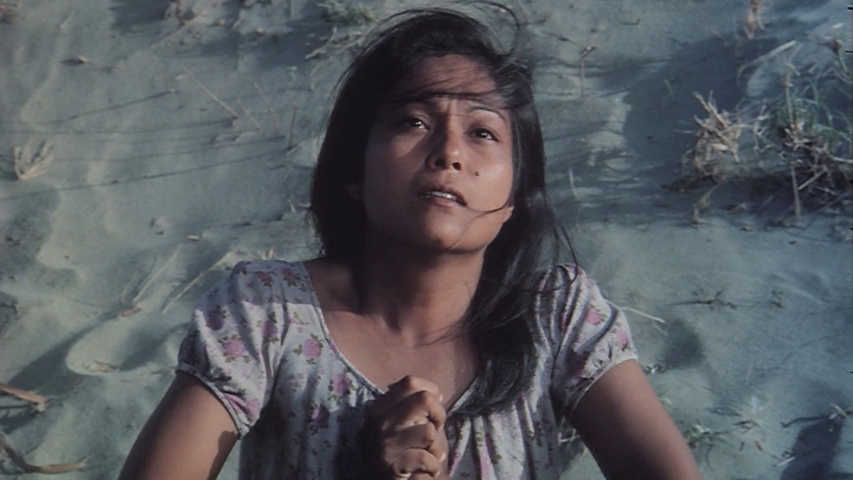
And this is where the comparison that came to my mind was not to another contemporary Western actress, but to a grand actress from the Philippines, Nora Aunor or la Aunor. Not because Buckley is imitating her, of course, but because both actors understand a screen truth that many louder actors never learn: that the camera loves what is withheld. Aunor’s greatest performances — in films like HIMALA, BONA, and INA KA NG ANAK MO — are built not on grand theatrical display but on an almost frightening interiority and restraint, on feeling compressed so deeply that it radiates through the eyes before it ever reaches the mouth. That is the register Buckley finds here. She gives a performance of listening, absorbing, and enduring. She acts from the inside out.
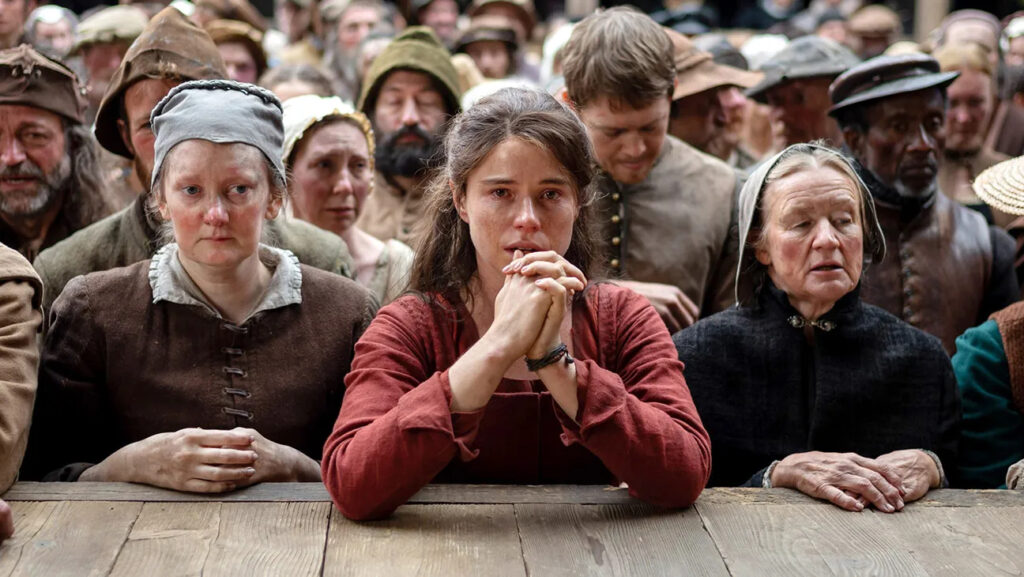
The culmination comes in the final theatre scene, the film’s emotional reckoning. Agnes watches Hamlet and realises that Shakespeare has folded Hamnet’s death into the play, turning private bereavement into public art. It is a scene that could easily have been overplayed, swollen with significance and awards bait. Buckley does something much more difficult. She lets conflicting emotions arrive all at once and without editorialising: awe, betrayal, recognition, hurt, wonder, anger, pride, and the almost intolerable shock of seeing a dead child revived in another form. She does not explain Agnes’s feelings; she allows them to flicker, collide, and remain unresolved. The moment is devastating precisely because it is so controlled.
That, to me, is what won Jessie Buckley every major precursor and what will likely win her the Oscar as well. This is not acting that begs to be admired; it compels you to look closer. It has the rare intelligence to trust stillness, the rare confidence to let emotion gather instead of spill, and the rare mystery that makes a face on screen feel like a whole weather system of thought and pain. If there is a tradition of internalised screen acting in which Filipino actor Nora Aunor remains one of the great practitioners, Buckley’s work in Hamnet belongs, unexpectedly and beautifully, in conversation with it. And that is what makes the performance not just award-worthy, but unforgettable.

Like this article?

Share on Facebook
Share on Twitter
Share on Linkdin
Share on Pinterest

Leave a Reply

Your email address will not be published. Required fields are marked *

More To Explore