Top Picks From The Sydney Film Festival 2019 (Days 1-7)
Here are my favourites at the Sydney Film Festival so far. Watch out for them when they get a mainstream release.
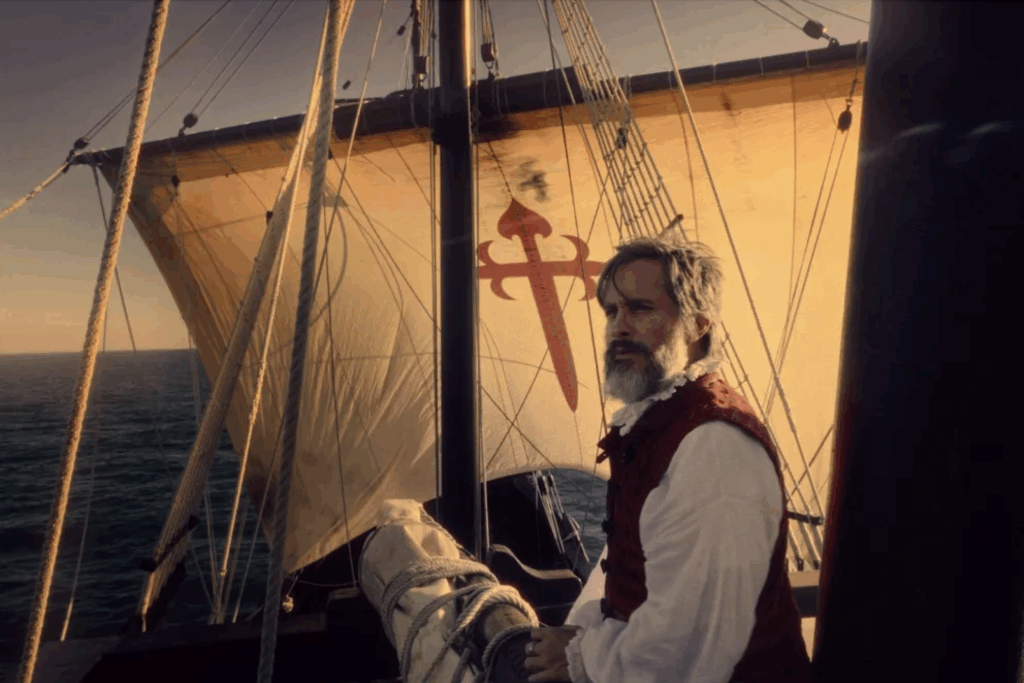
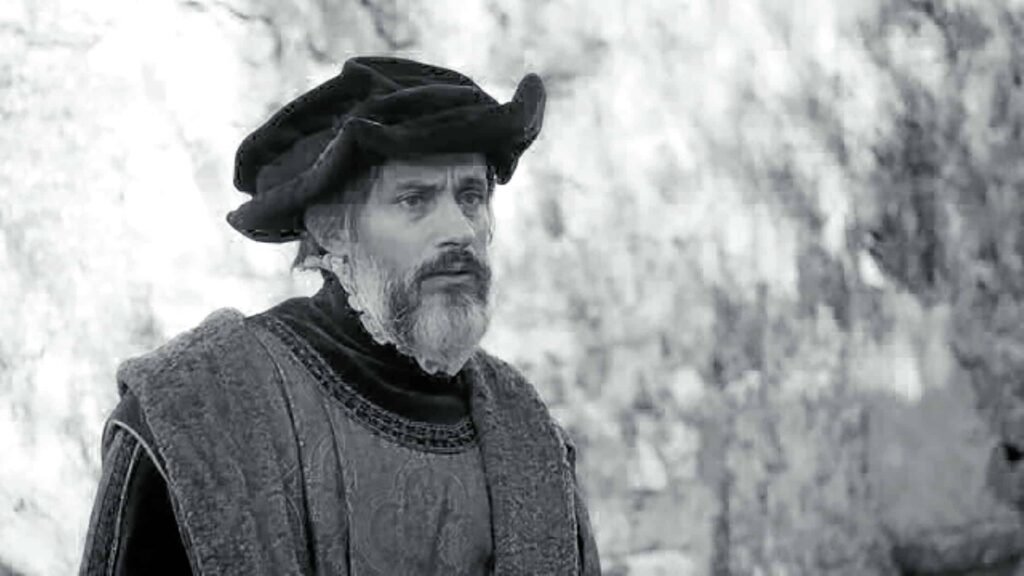
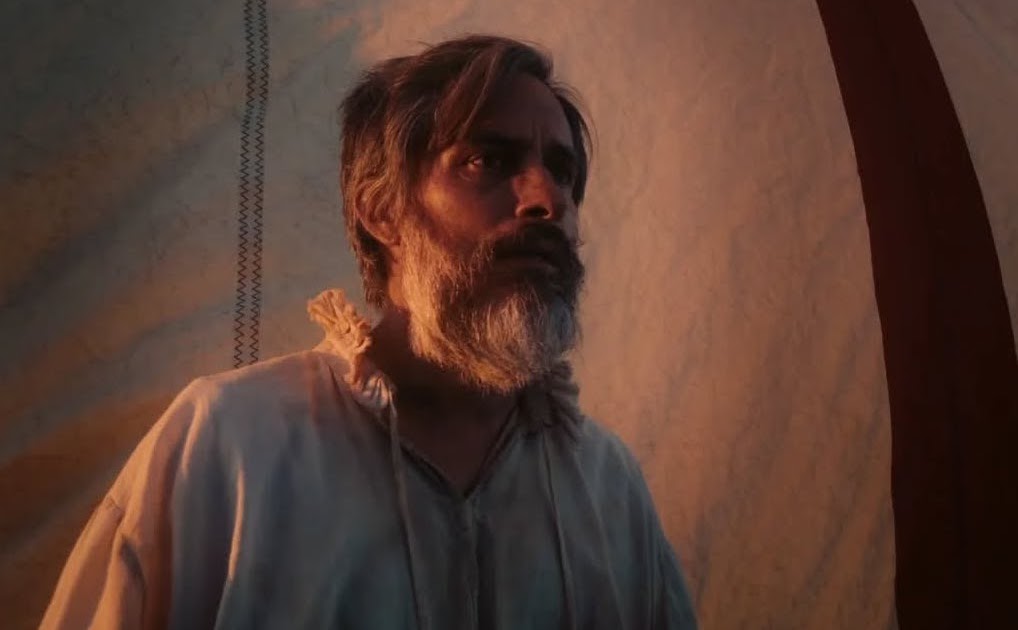
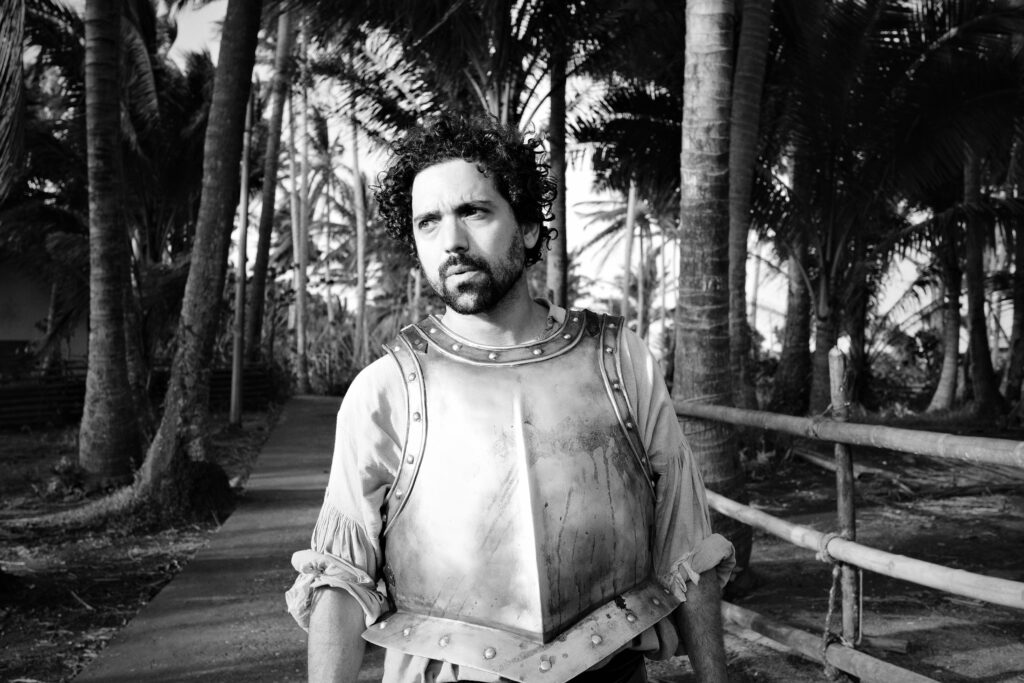
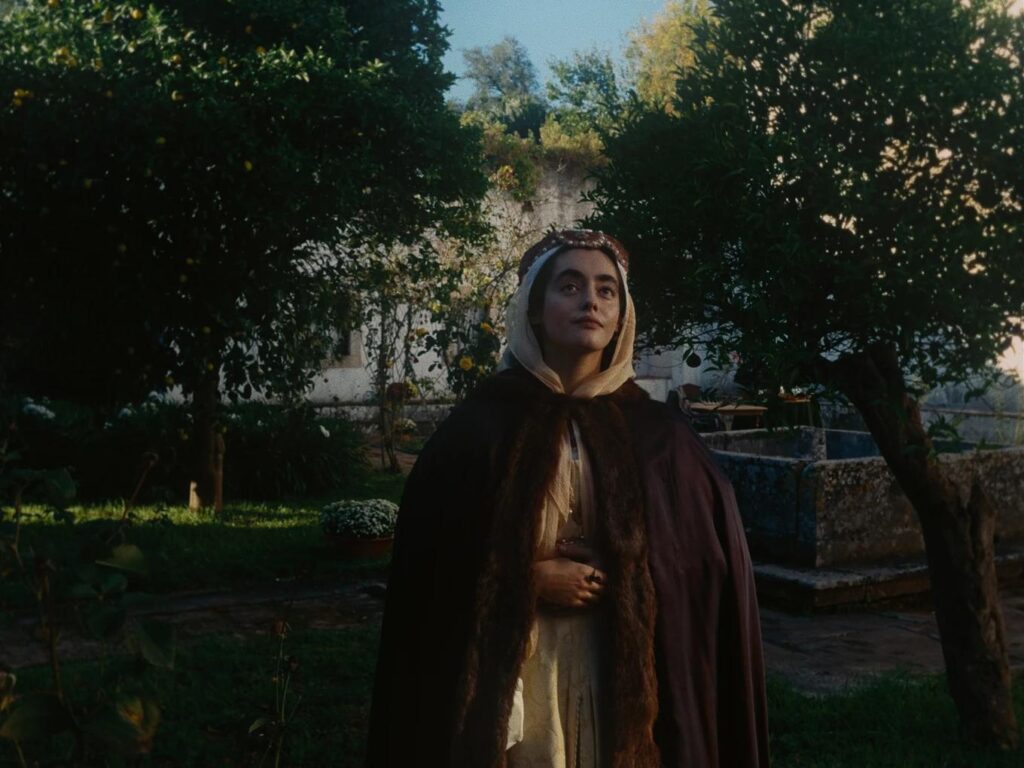
The epic is set in the early 16th century and opens with Magellan serving under Afonso de Albuquerque during the brutal conquest of Malacca in 1511. Wounded in battle, he returns to Portugal with a captured slave, Enrique (Amado Arjay Babon), whose quiet defiance and spiritual endurance soon become the moral counterpoint to Magellan’s imperial ambition. Nursed back to health by Beatriz Barbosa (Ângela Azevedo) — who becomes his wife — Magellan petitions King Manuel I for funds to pursue a new trade route, only to be dismissed. The slight drives him to Spain, where his fixation on glory eclipses his humanity.
By 1519, he embarked on the ill-fated circumnavigation voyage, leaving Beatriz behind, pregnant and forgotten. Diaz’s camera lingers during the long crossing on mutiny, starvation, and desolation: a crewman executed for “unnatural acts,” another marooned after rebellion, and an ever-thinning line between exploration and delusion. Haunted by visions of Beatriz and his dead children, Magellan’s psyche unravels alongside his authority.
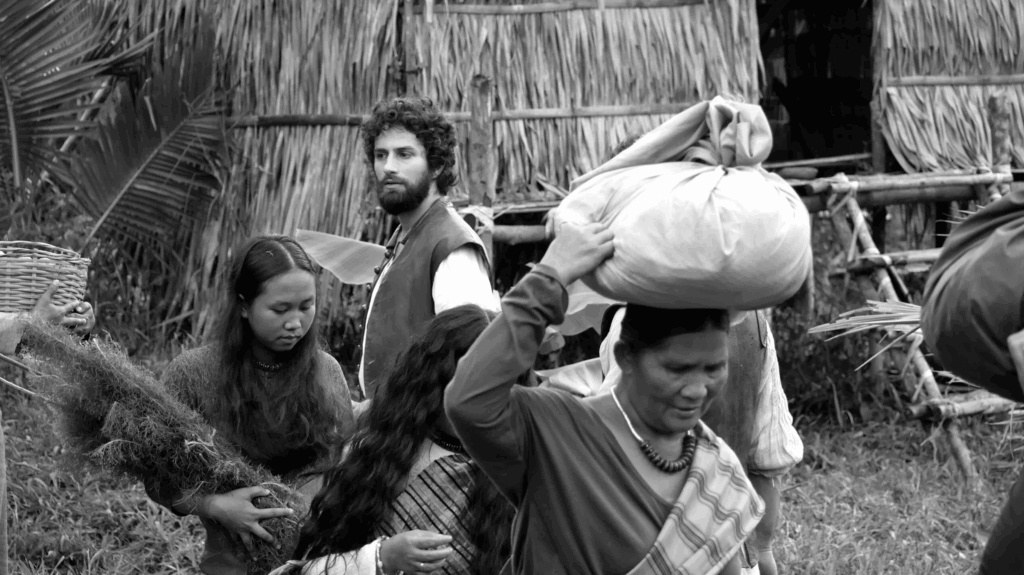
The island communities of Malacca and Cebu are rendered with near-ethnographic symmetry — their inhabitants visually and culturally indistinguishable, reflecting a shared Austronesian lineage and an unbroken continuum between the colonised and the coloniser’s gaze. Diaz frames these parallel geographies not as distant territories but as mirrors of one another: two worlds caught between innocence and intrusion.
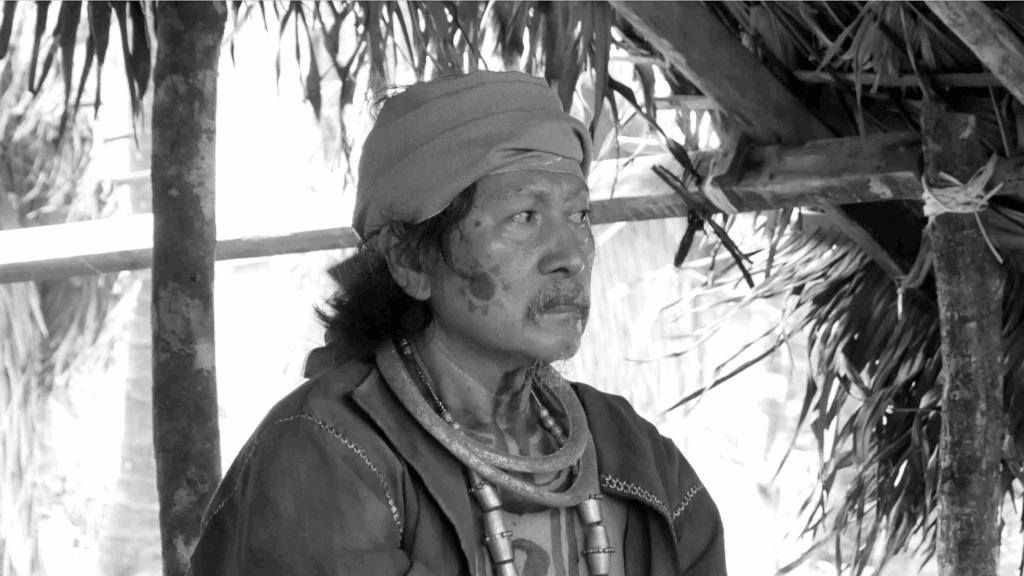
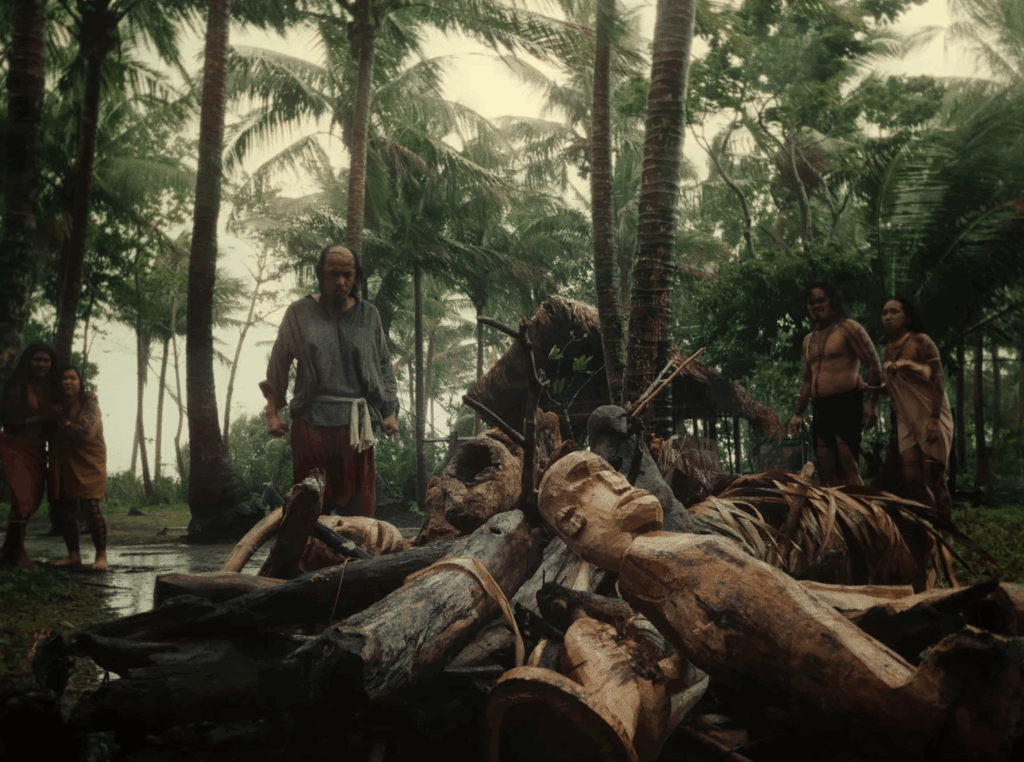
When the expedition reaches Cebu, Enrique becomes translator and cultural bridge between Magellan’s men and the local ruler, Rajah Humabon (Ronnie Lazaro). In one of Diaz’s most quietly charged sequences, Magellan presents a carved image of the Santo Niño — the future icon of Filipino Catholicism — and the quince fruit that miraculously heals Humabon’s ailing son. Queen Juana (Hazel Orencio) interprets this as divine intervention, leading to mass conversions. Yet harmony proves fragile: when Magellan’s men burn the anitos — sacred indigenous idols — the act ignites both spiritual and political revolt.
The film further posits Christianity as both a tool of conquest and a haunting moral inheritance — the ultimate instrument for subjugating a people under the guise of salvation. Yet, Diaz also finds resistance in idolatry: the anitos, burned and desecrated, emerge as emblems of enduring spiritual defiance. The tension between faith as domination and faith as revolt becomes the pulse of Magellan’s downfall.
Humabon, calculating and wary, spreads tales of Datu Lapu-Lapu, a mythical rebel warrior destined to destroy intruders. Magellan, blinded by pride, marches into an ambush on Mactan’s shore. Diaz stages his death not as heroic tragedy but as grim inevitability — the empire’s arrogance collapsing on the sands.
In a revelatory epilogue, Enrique’s voice-over reframes the myth: there was no Lapu-Lapu, only Humabon’s stratagem — and Enrique’s own complicity. His confession blurs freedom and vengeance, servitude and self-redemption, leaving history itself in doubt.
Running at a relatively brisk two hours and forty minutes, Magellan may be Diaz’s most accessible film to date — yet its accessibility is deceptive. The filmmaker retains his austere, durational aesthetic: long, static takes; minimal edits; performances drained of overt emotion. The interiors of Portugal and Spain are rendered in deliberately theatrical, near-Brechtian tableaux, contrasting sharply with the organic density of Malacca and Cebu — the former signifiers of imperial civility, the latter of untamed vitality.
Working with co-cinematographer Arthur Tort, Diaz achieves a visual grammar of observation rather than intervention. The camera holds its ground, often in unbroken wide shots, as life unfolds with anthropological precision. This restraint — rejecting both spectacle and melodrama — transforms the historical epic into something elemental, almost sacred. Bernal, in a rare non-Filipino casting for Diaz, embodies Magellan with weary conviction, a man hollowed out by faith and obsession. Babon’s Enrique, meanwhile, provides the quiet conscience of the film: his silences reverberate with centuries of colonised memory.
Visually, Magellan embodies Diaz’s purest commitment to observational cinema. Shot with long, static compositions that recall surveillance or early ethnographic footage, the film rejects the kinetic immediacy of handheld realism. Instead, its immobility becomes its moral stance — a discipline that enhances the authenticity of its vision, allowing history to unfold in real time, without authorial interference.
If Magellan questions the very foundation of Philippine national mythology — suggesting that the liberating hero Lapu-Lapu may be more symbol than man — it also interrogates the seductive power of faith as a colonial instrument. In Diaz’s vision, Christianity is both a weapon and a mirror, revealing how conquest masquerades as salvation.
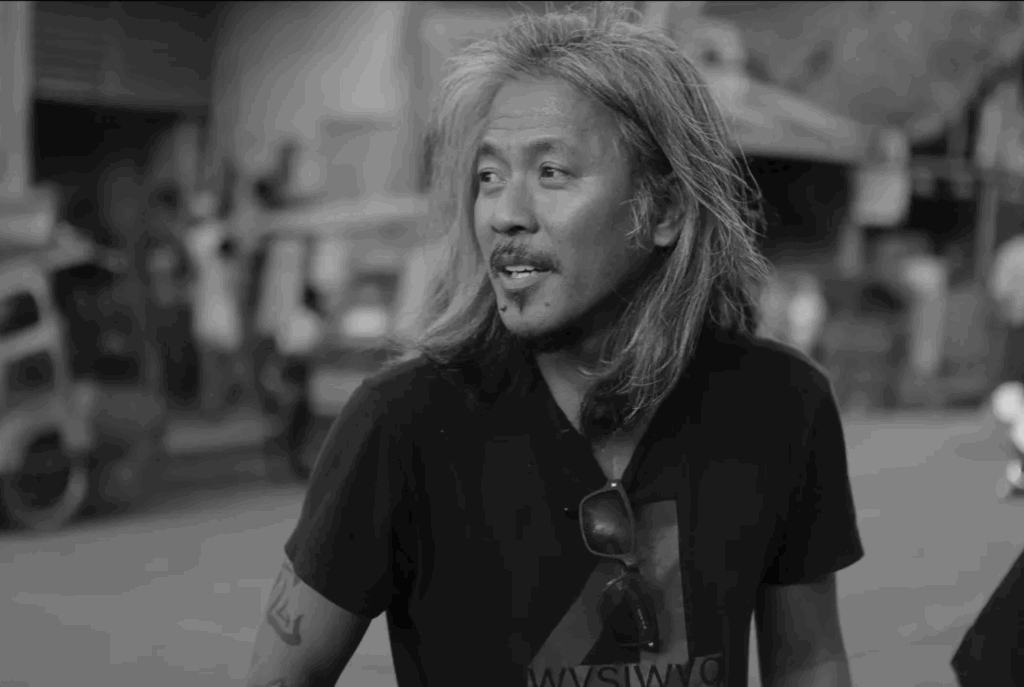
Austere yet immersive, Magellan stands as both a history lesson and spiritual lament, reaffirming Lav Diaz as one of cinema’s few uncompromising moral cartographers — charting not seas, but the dark interior of empire itself.

Here are my favourites at the Sydney Film Festival so far. Watch out for them when they get a mainstream release.

The Jewish International Film Festival (JIFF) is back from 23 October to 22 November 2023, with screenings in Melbourne, Sydney, Hobart, Perth, Brisbane, Canberra, and the Gold Coast.